
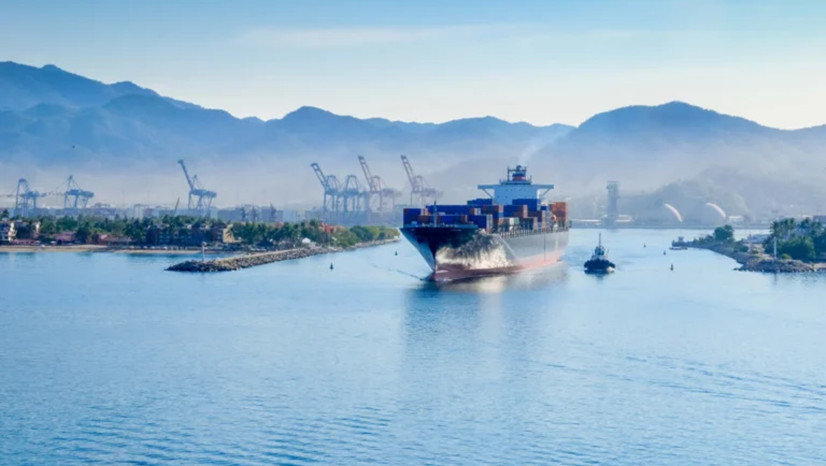
As global supply chains shift in response to geopolitical tensions, reshoring, and the “new normal” of freight disruptions, Mexico is emerging as a critical logistics hub. At the heart of this transformation are Mexico’s ports, strategically located on both coasts and increasingly vital to regional and international trade.
Nearshoring in Mexico and regionalized manufacturing are bringing more industrial activity closer to North America. Foreign direct investment (FDI) in Mexico last year reached $36.87 billion, up 2.3% from 2023, with nearly half coming from the U.S. The nearshoring trend makes leveraging Mexico’s port infrastructure a competitive differentiator.
Why Mexico Ports Matter Now
With the U.S.-Mexico-Canada Agreement (USMCA) in place — up for renewal in 2026 — manufacturers are doubling down on investments in northern Mexico. They’re taking advantage of cost-effective labor, proximity to U.S. markets, and improved trade predictability. Nearshoring has sparked a significant increase in cross-border freight and elevated the role of the Mexico ports system.
Port infrastructure is a key enabler of this growth. Beyond import gateways, Mexican ports are critical conduits for exporting finished goods, raw materials, and agricultural products. Enhanced connectivity to road and rail networks gives manufacturers and logistics providers more flexibility in how they route freight, especially when comparing lead times and costs to shipments from Asia.
Key Ports Driving Global Trade
The network of Mexico ports spans the Pacific and Gulf coasts, enabling two-ocean access to global markets. Among these, three major ports are leading the way in transforming Mexico into a high-performance logistics corridor:
1) Port of Manzanillo
As Mexico’s busiest container port, Manzanillo is the backbone of the country’s Pacific trade. Its location on the western coast makes it a natural gateway to Asia, particularly China, South Korea, and Japan. Manzanillo is undergoing a major expansion, targeted for completion in 2030, with hopes of making it the busiest port in Latin America; it’s currently number three, behind the Port of Colon in Panama and the Port of Santos in Brazil.
Manzanillo handles more than 40% of Mexico’s container traffic and is also focused on streamlining operations as well as expanding capacity. Its direct connections to inland industrial zones via highway and rail corridors make it ideal for serving central and northern Mexico.
2) Port of Lázaro Cárdenas
Just south of Manzanillo, Lázaro Cárdenas stands out for its deepwater access and state-of-the-art infrastructure. Unlike many ports on the U.S. West Coast, Lázaro Cárdenas can accommodate the largest post-Panamax vessels.
It’s also known for robust intermodal connectivity, with rail links operated by Canadian Pacific Kansas City (CPKC) that reach into the U.S. Midwest. This port is increasingly favored as an alternative route for Asian imports headed to North America.
3) Port of Veracruz
On the Gulf Coast, Veracruz is one of Mexico’s oldest and most vital ports, handling trade with Europe, South America, and the eastern U.S. It’s especially important for bulk and breakbulk commodities like agricultural exports, steel, and industrial machinery.
Ongoing modernization efforts are expanding its container capacity, and its multimodal links make it an essential gateway for shippers looking to serve Atlantic-facing markets.
Mexico’s Strategic Position in the Supply Chain Shift
As manufacturers diversify sourcing strategies and move production closer to North America, Mexico is well positioned to meet the demand. U.S.-Mexico trade has reached record highs in recent years, surpassing China as the number one trading partner a year ago, and the logistics infrastructure is responding accordingly.
Multimodal access is one of Mexico’s most strategic advantages. Goods can arrive via ocean, be transloaded at ports, moved inland by rail or truck, and reach U.S. markets faster than from Asia. Labor and fuel costs remain lower than in the U.S., and Mexico’s proximity reduces transit times dramatically.
Crucially, the Mexican government and private operators are investing in port infrastructure, including terminal expansions, automation, and customs modernization. These efforts aim to reduce dwell times, enhance capacity, and make Mexican ports more globally competitive.
Challenges and Considerations
Despite the upside, Mexico’s ports are not without challenges. Regulatory complexity, including customs clearance procedures, can slow shipments. Coordination between Mexican and U.S. authorities is improving but still poses hurdles for time-sensitive cargo.
With tariffs set to go into effect on August 1, the leaders of Mexico and Canada have been huddling over ways to deepen their trade relationship, as a counterweight to Trump’s trade policies.
Port congestion, especially on the West Coast, is another concern, more so as peak season approaches with its stretched capacity. Inland bottlenecks and limited warehouse space near ports can create delays without careful planning. Like their U.S. counterparts, Mexican ports are also not immune to labor challenges; Manzanillo took weeks to recover from a four-day strike in May.
Security and cargo insurance also remain key considerations. While infrastructure is improving, shippers must work with partners who understand the risks and have mitigation strategies in place, from bonded warehousing to secure transport corridors.
How EFW Supports Global Trade Through Mexico
As Mexico’s role in global supply chains grows, choosing the right logistics partner is essential. EFW supports international freight flows through Mexico’s ports with a comprehensive suite of cross-border logistics services and infrastructure. We understand that navigating the complexities of cross-border trade between Mexico and the U.S. demands precision, compliance, and trusted expertise.
We offer integrated freight forwarding solutions through Manzanillo, Lázaro Cárdenas, and Veracruz, backed by decades of global shipping experience. Our cross-border expertise includes bilingual customs coordination, and full documentation support to reduce delays and ensure compliance. And our bonded warehouse facilities in El Paso, Laredo, and other key near-border zones enable efficient inventory staging and accelerated customs clearance.
EFW provides flexible truckload, flatbed and linehaul capacity throughout Mexico and into the U.S., with strategic warehouse locations in El Paso and other near-border zones for efficient inventory staging. Whether you’re importing electronics or exporting industrial machinery, our network supports multimodal logistics strategies with end-to-end visibility and real-time communication.
Our dedicated customs brokerage team is strategically positioned at key border crossings to ensure your shipments move swiftly and securely. With deep knowledge of U.S. and Mexican customs regulations, we proactively manage documentation, tariff classifications, and inspections to minimize delays and avoid costly penalties. Whether you’re importing raw materials or exporting finished goods, EFW delivers peace of mind and operational efficiency, helping your business stay competitive in a fast-paced global market.
With EFW, shippers gain simplicity: a single partner, fully integrated solutions, and expertise on both sides of the border.
Turning Mexico’s Ports into a Strategic Advantage
Mexico’s ports are essential links in an increasingly regionalized global supply chain. As nearshoring and cross-border trade accelerate, businesses that leverage Mexico’s infrastructure will gain speed, flexibility, and cost advantages.
But navigating the complexities of customs, multimodal routing, and inland logistics requires deep expertise. EFW helps shippers turn Mexico into a supply chain advantage, not a complication, by combining global freight experience with in-country capability.
Let EFW help you unlock the full potential of Mexico’s port system. Get in touch today to learn how we can optimize your global trade strategy.
Leave A Comment